
TURKANA, Kenya – A new study has highlighted the lasting impact of severe drought on the livelihoods, food access and traditional practices of Daasanach pastoralist communities in northern Kenya.
The research examined the experiences of communities around Lake Turkana following a prolonged drought between November 2020 and March 2023, described by researchers as the worst in 40 years.
The Daasanach have traditionally depended on livestock, including cattle, camels, goats and sheep, as a central part of their livelihoods and cultural identity.
Researchers working with the communities examined food and water access, household coping strategies and changes in dietary practices.
The findings showed a substantial decline in livestock numbers during the drought.
Before the crisis, households surveyed had an average of 24 sheep and goats in 2019. By 2022 and 2023, the average had fallen to eight.
The average number of cattle per household also declined from six to two.
The findings highlight the vulnerability of pastoralist communities to prolonged climate shocks, particularly where livelihoods depend heavily on natural grazing and access to water.
Researchers said the experience demonstrates the need for stronger drought preparedness, improved livelihood protection and support for communities facing increasingly difficult environmental conditions.
Drought Reshapes Livelihoods of Kenya's Daasanach Pastoralist Communities
TURKANA, Kenya – A new study has highlighted the lasting impact of severe drought on the livelihoods, food access and traditional practices of Daasanach pastoralist communities in northern Kenya.
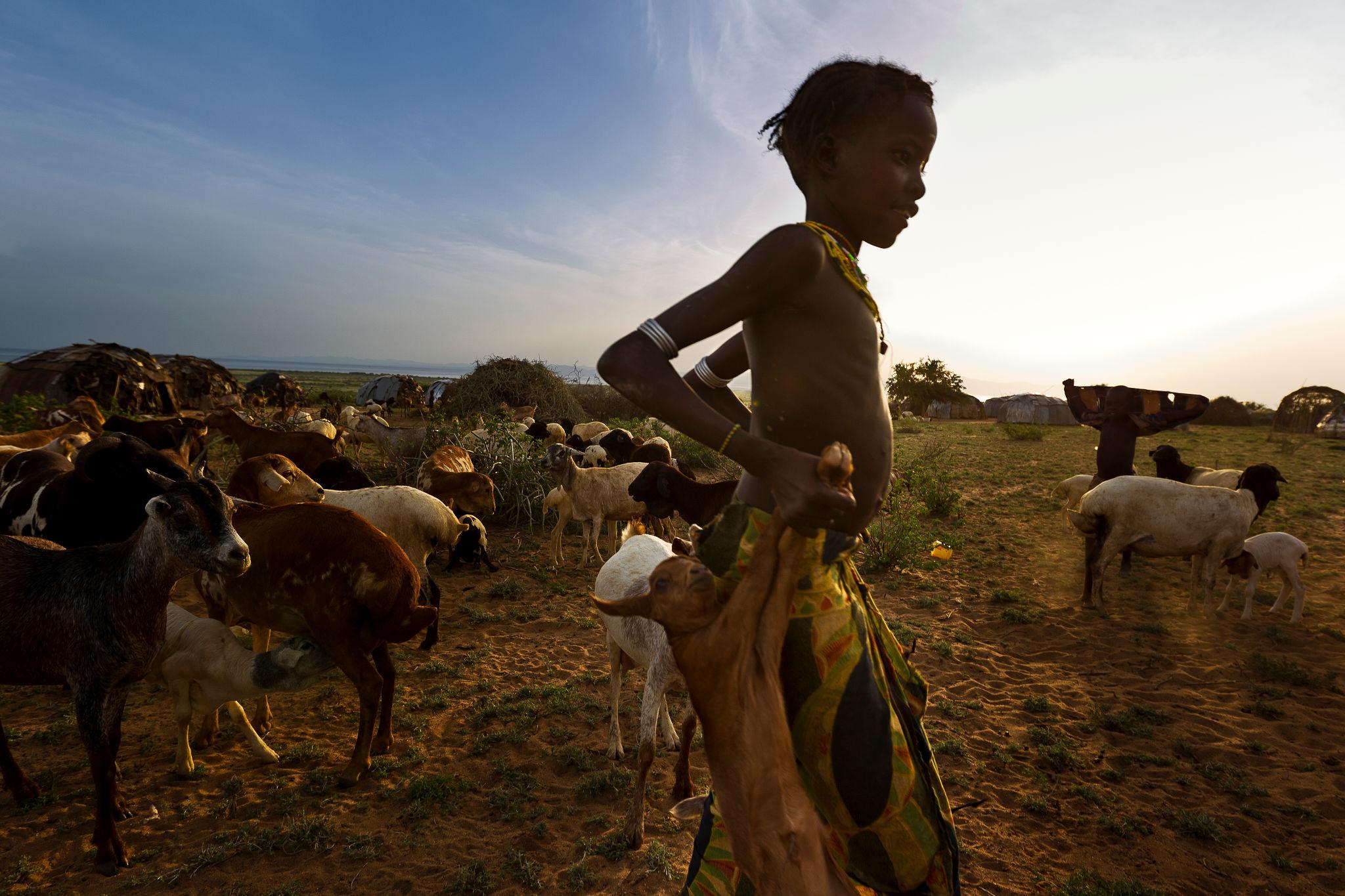
Pastoralist life near Lake Turkana.
Photo taken by Getty ImagesCOMMUNITY
No comments yet. Be the first to share a thoughtful response.